



Sheet metal processing: detailed explanation of sheet metal processing and cutting process
Published on:
2020-11-16
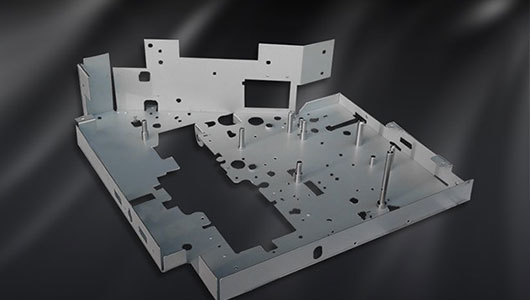
Sheet metal processing is mainly to complete the production of products by cutting, forming, correcting and assembling various metal materials. Therefore, you must have certain knowledge about the quantities, properties and uses of common metal materials in order to use these materials reasonably and master the correct sheet metal processing techniques.
Sheet metal processing and cutting
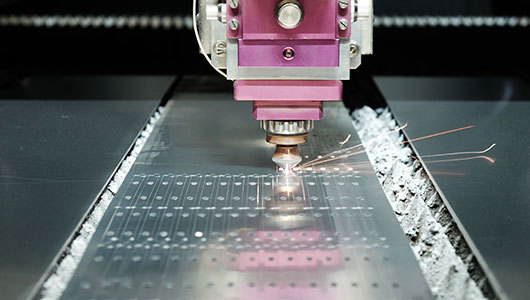
The cutting method is to use a disc shear blade to cut the sheet in the opposite rolling direction. According to the disc equipment, it can be divided into linear equipment, oblique linear equipment and oblique equipment. Straight equipment is suitable for cutting sheet metal into strips or cutting square blanks into circular blanks in sheet metal processing. The oblique straight equipment is suitable for cutting circular blanks or circular inner holes, and the oblique equipment is suitable for cutting arbitrary curves. blank.
1. Straight equipment to cut paper. When using the straight line equipment to cut the plate, please align the straight line center line of the upper and lower hob first, the gap between the upper and lower cutting blades is usually 0.05-0.5mm, or adjust the upper and lower hob a little. Sheet metal processing The stacking conditions make the stacking height h generally only 0.2-0.3 times the thickness of the shear plate.
2. Sheet metal processing cutting board with tilting equipment. Beveling equipment is widely used for cutting curved boards. Before cutting the paper, the upper and lower reels are tilted devices, and the angle between the upper and lower reels is set to 25 degrees. Then adjust the speed and gap of the egg cutter according to the thickness of the slices.
3. The cutting dimensional accuracy of the beveled sheet metal processing equipment. When a generalized disc rolling and shearing curve is chosen, the radius of curvature of the blank has a certain limit, and its small radius of curvature is related to the diameter of the cutting blade and the thickness of the half-body material, and when in the disc rolling For straight bars, the small width error is also limited.
Relevant News
Sheet metal processing production process
2022-07-06


Jiangsu Songshi metal products Co., Ltd
E-mail:jsss_metal@163.com
Address: No. 32, Haiyan Road, Qidong high tech Industrial Development Zone, Jiangsu Province
Copyright © 2022 Jiangsu Songshi metal products Co., Ltd.