



Common materials for sheet metal processing
Published on:
2021-06-07
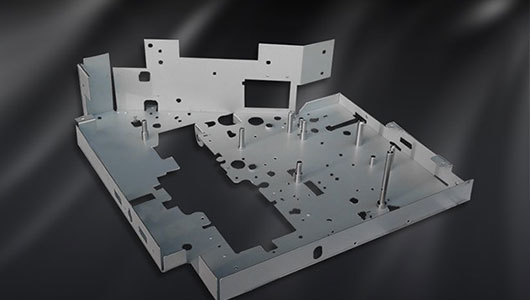
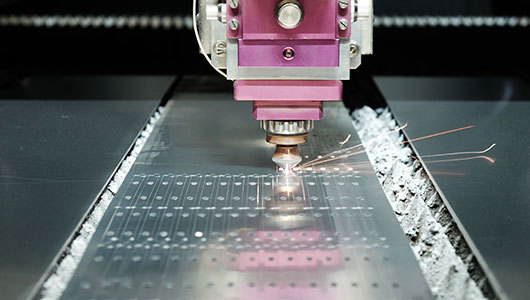
Sheet metal processing is a key technology that sheet metal technicians need to grasp. It is also an important process for forming sheet metal products. Sheet metal processing includes traditional cutting, blanking, bending and forming and other methods and process parameters, as well as various cold stamping die structures and process parameters. The working principle and operation method of various equipment. Also includes new stamping technologies and new processes. Sheet metal processing of parts is called sheet metal processing. Sheet metal processing is a key technology that sheet metal technicians need to master. It is also an important part of sheet metal product forming. As well as various cold stamping die structures and process parameters, working principles and operation methods of various equipment. As well as new stamping processes and new processes. Sheet metal processing of parts is called sheet metal processing. Sheet metal processing is called sheet metal processing. Specifically, such as chimneys, iron drums, oil cans in oil tanks, ventilation pipes, elbows, circular places, funnels, etc. is made of plates. The main processes include cutting, bending, bending, forming, welding, riveting, etc. This requires some knowledge of geometry. Sheet metal parts are sheet metal parts, that is, parts that can be processed by means of stamping, bending, stretching, etc. Generally defined as a part with constant thickness during machining. The corresponding parts are castings, forgings, machined parts, etc.
Sheet metal processing; commonly used materials
1. Galvanized steel sheet SECC
The substrate of SECC is general cold rolled steel coil. After the continuous electro-galvanizing production line goes through degreasing, pickling, electroplating and various post-treatment processes. That is to become electro-galvanized products. SECC not only has the mechanical properties and similar processability of ordinary cold-rolled steel sheets, but also has superior corrosion resistance and decorative appearance. It has great competition and substitution in the market of electronic products, home appliances and furniture. For example, the commonly used computer case is SECC.
2. Ordinary cold rolled sheet SPCC
SPCC refers to the continuous rolling of steel ingots into steel coils or sheets of required thickness through a cold rolling mill. SPCC surfaces do not have any protection. Easily oxidized when exposed to air. Especially in a humid environment, the oxidation speed is accelerated, and dark red rust appears, and the surface should be painted, electroplated or otherwise protected during use.
⒊ Hot dip galvanized steel sheet SGCC
Hot-dip galvanized steel coil refers to the semi-finished product after hot-rolled pickling or cold-rolling. After cleaning and annealing. Immerse in a bath of molten zinc at a temperature of about 460°C. The steel sheet is plated with zinc layer, and then quenched, tempered, leveled and chemically treated. SGCC material is harder than SECC material, has poor ductility (avoid deep drawing design), thicker zinc layer and poor weldability.
4. Stainless steel SUS304
One of the most widely used stainless steels, because it contains Ni (nickel), it is richer in corrosion resistance and heat resistance than steel containing Cr (chromium), has very good mechanical properties, has no heat treatment hardening phenomenon, and has no elasticity.
5. Stainless steel SUS301
The content of Cr (chromium) is lower than that of SUS304, and the corrosion resistance is poor. However, after cold working, it can obtain good tensile force and hardness in the stamping process, and has good elasticity. It is mostly used for shrapnel springs and anti-EMI.
Relevant News
Sheet metal processing production process
2022-07-06


Jiangsu Songshi metal products Co., Ltd
E-mail:jsss_metal@163.com
Address: No. 32, Haiyan Road, Qidong high tech Industrial Development Zone, Jiangsu Province
Copyright © 2022 Jiangsu Songshi metal products Co., Ltd.