



What are the processes of sheet metal processing
Published on:
2021-06-22
sheet metal processing; sheet metal processing
Sheet metal processing; workpiece blanking
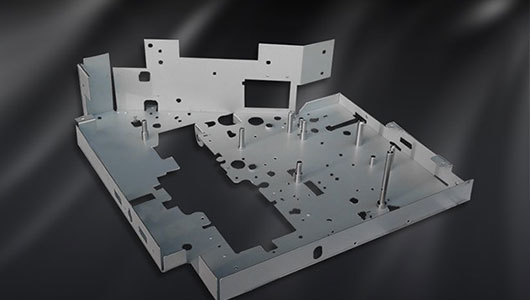
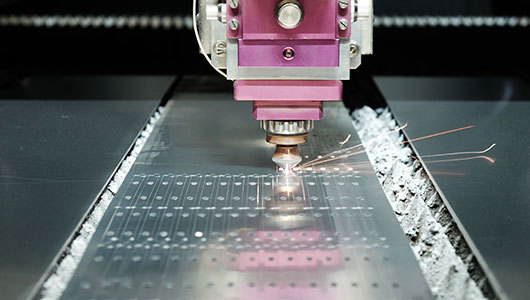
After getting the drawings, choose different cutting methods according to the developed drawings and different batches, including laser, CNC punch, cutting board, mold, etc. , and then develop accordingly according to the drawings. CNC punches are affected by tools. For some special-shaped workpieces and irregular holes, there will be large burrs on the edges, which need to be deburred and post-processing, which will have a certain impact on the accuracy of the workpiece. There is no tool limit for laser processing, and the section is flat. It is suitable for processing special-shaped workpieces, but processing small workpieces It takes a long time. A workbench is placed next to the CNC and laser, which is conducive to placing the sheet metal on the machine for processing, reducing the workload of sheet metal lifting. Some available scraps are placed in designated places to provide material for die trials during bending.
After cutting, it enters the next process, and different workpieces enter the corresponding process according to the processing requirements. There are bending, riveting, flanging and tapping, spot welding, punching convex hull, and poor section. Sometimes the nut or stud should be pressed well after a bend or two. Where there is a die punching hull and a poor cross-section, consider processing first to avoid interference after other processes, and the required processing cannot be completed. If there are hooks on the upper cover or lower shell that cannot be welded after bending, they should be processed before bending.
In order to weld firmly, the impact on the workpiece to be welded before electrified welding can make the impact contact with the flat plate evenly, so as to ensure the consistency of heating at each point, and at the same time, the welding position can be determined. Similarly, for welding, the preload time, hold time, hold time and rest time should also be adjusted to ensure that the workpiece is spot welded firmly.
After spot welding, the workpiece surface will be welded. Flat grinding should be used for processing. Sub-arc welding is mainly used when two workpieces are large and need to be connected together, or when the corners of one workpiece are processed to make the surface of the workpiece smooth. The heat generated during argon arc welding can easily deform the workpiece. Grinders and flat grinders should be used after welding, especially around corners.
Sheet metal processing; surface treatment
After the bending, riveting and other processes are completed, the surface treatment of the workpiece should be carried out. Different sheets have different surface treatment methods. After cold plate processing. Usually surface plating. Do not spray after electroplating. Phosphate. Cleaning, degreasing and spraying of plated surfaces. Stainless steel plate (mirror plate, fog plate, wire drawing plate) can be drawn before bending without spraying, and should be roughened when spraying is required; generally aluminum plates are oxidized. Choose different oxidation base colors according to the color of spraying.
Commonly used are black and natural color oxidation; the aluminum plate to be sprayed should be sprayed after chromate oxidation treatment. Surface pretreatment can clean the surface, significantly improve the adhesion of the coating, and multiply the corrosion resistance of the coating. The cleaning process first cleans the workpiece. Hang the workpiece on the assembly line first. First pass through the cleaning solution (alloy degreasing powder). Then enter the clean water, and then pass through the spray area. Then go through the drying area. Finally, the workpiece is removed from the assembly line.
Sheet metal processing; spray processing
After the surface is pretreated, it enters the spraying process. When the workpiece needs to be sprayed after assembly, it is necessary to protect the teeth or some conductive holes.
Assembly procedure
After spraying, enter the assembly process. before assembly. Remove the protective sticker used when spraying to ensure that no paint or powder has been spilled on the internally threaded holes of the part. in the whole process. Wear gloves. In order to prevent dust from adhering to the workpiece, some workpieces should be blown clean with an air gun.
Packaging link
After assembly, enter the packaging process. After checking. Pack the workpiece in a special bag for protection. Some workpieces without special packaging are packed with bubble wrap. Before packaging, cut the bubble film to a size that can package the workpiece to avoid cutting during packaging. Affect the processing speed; special cartons or bubble bags, rubber pads, pallets, wooden boxes, etc. Mass customization is possible. After packaging, put it in a carton, and then mark the corresponding finished or semi-finished product on the carton.
Relevant News
Sheet metal processing production process
2022-07-06


Jiangsu Songshi metal products Co., Ltd
E-mail:jsss_metal@163.com
Address: No. 32, Haiyan Road, Qidong high tech Industrial Development Zone, Jiangsu Province
Copyright © 2022 Jiangsu Songshi metal products Co., Ltd.