



A brief discussion on sheet metal processing standards
Published on:
2021-07-07
Sheet metal processing process overview
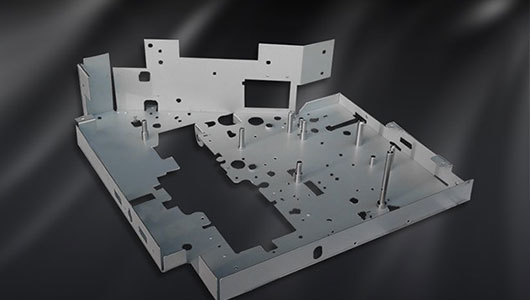
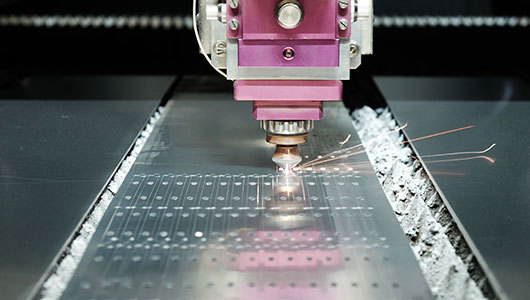
Sheet metal is a comprehensive cold working process for metal and some non-metal sheets, including shearing, punching, cutting, punching, cutting compounding, bending, welding, riveting, splicing, forming, etc. Its distinguishing feature is the same part thickness. Usually, the three important steps in sheet metal factory are shearing, punching, cutting and folding, mainly editing 3d graphics through sheet metal software to obtain the data required for sheet metal parts processing, such as unfolding drawings, bending lines, etc., and provide Machine tool data. Machine tools, laser cutting machines, stamping compound machines and cnc bending machines.
The general process of sheet metal processing is: (1) blanking/blanking, cold-rolled sheets, galvanized sheets, aluminum sheets, and copper sheets are suitable for shearing or CNC punching, and stainless steel materials are usually laser-cut; (2) CNC bending and forming; (3) Fitter, including countersinking, tapping, reaming, drilling and flanging, riveting and other processes; (4) Combination welding of parts; (5) Welding, grinding and correction treatment; (6) Surface treatment, including electroplating, oxidation, wire drawing, etc. ;⑺Spraying treatment, including powder spraying and oil spraying;⑻screen printing and assembly process;⑼Final inspection FQC. The sequence of these processes varies depending on the product, how many, how many.
Generally speaking, in addition to strict requirements in the production process, the quality of sheet metal parts also requires attention to the protection between processes, and also requires quality inspection independent of production. Previously, it was carried out through human experience and simple tools, and now auxiliary equipment, such as various instruments and sheet metal inspection equipment, has been gradually introduced. The first is to strictly control the size according to the drawings, and the second is to strictly control the appearance quality, repair or scrap where the size does not match, do not allow scratches on the appearance, and check the color difference, corrosion resistance and adhesion after spraying. In this way, you can find startup diagram errors, bad habits of various processes, errors in the process, etc., based on errors and defects, such as digital punch or laser programming errors, mold usage errors, etc.
As you can see, if you want to make a good product, it's not easy. There are fewer factories due to the high workload and can cover many workloads. The production of most sheet metal processing plants only involves some processes, such as job-shop for laser materials, processing plants only for welding, electroplating or painting, and some stamping plants are also engaged in sheet metal processing business. The above problems lead to the difficulty of quality control between processes, and it is difficult to control the overall quality.
Due to the low entry threshold in the sheet metal industry, enterprises are mixed and vicious competition is serious. The sheet metal industry lacks professional education and professional education, the technical level of the industry is uneven, and the lack of an apprenticeship system makes it impossible to pass on technology and experience. The lack of pricing standards in the industry is unfavorable for early business quotations, resulting in price competition gradually becoming a single means of competition. There is no inspection standard and specification, so it is very passive in late delivery... Due to the above chaos, the sheet metal processing industry has gradually fallen into trouble and has to survive in the cracks of various industries.
Relevant News
Sheet metal processing production process
2022-07-06


Jiangsu Songshi metal products Co., Ltd
E-mail:jsss_metal@163.com
Address: No. 32, Haiyan Road, Qidong high tech Industrial Development Zone, Jiangsu Province
Copyright © 2022 Jiangsu Songshi metal products Co., Ltd.