



Sheet metal processing technology
Published on:
2021-08-10
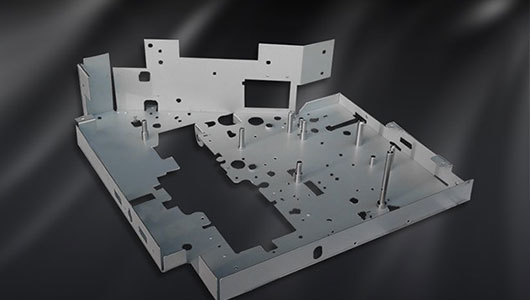
Sheet metal processing is called sheet metal processing. Specifically. Like chimneys. drum. Oil cans in oil cans. Ventilation duct. elbow. circular place. funnel, etc. is made of plates. The main process includes cutting. Flex closure. Bend to form. welding. Riveting etc. , which requires some knowledge of geometry. Sheet metal parts are sheet metal parts, i.e. can be punched. bending. Parts processed by means of stretching. Generally defined as a part with constant thickness during machining. Corresponding castings. forgings. Machined parts, etc.
Sheet metal processing factory - manual fine welding process
1. There are many ways to cut material. There are mainly the following four methods: cutting machine cutting. It is to use a shearing machine to cut out the long and long dimensions of the unfolded drawing, and only the large size of the workpiece can be cut; stamping and blanking. It uses stamping to process its shape and holes, and in mass production, stamping blanking has greater advantages;
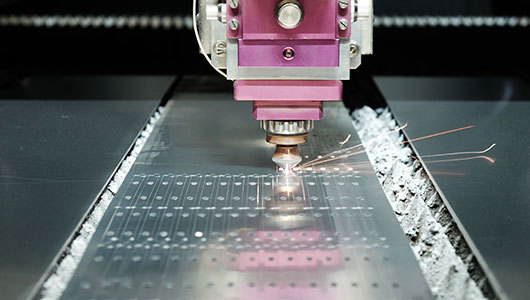
There are also two types of CNC blanking, which produce workpieces with high precision: CNC punch blanking and laser blanking. The former is more suitable for panels with a thin plate below 3.0mm, and the latter is suitable for workpieces with complex structures and plate processing parts with larger thicknesses.
2. Flanging. Flanging, also known as flanging and punching, is to draw a hole of a specified size on a pre-punched hole. This sheet metal process can make the teeth of the workpiece more durable and suitable for panel thicknesses below 1.5mm.
3. Press riveting. The commonly used pressure riveting is rivet column, rivet nut, rivet screw and so on. The pressure riveting method can be riveted to the sheet metal part by punching or riveting machine.
4. Bend. Bending is to enhance the strength of the workpiece, and a bending machine and related bending dies are required to complete the processing.
5. Welding. Welding is to weld 2 or more parts together for processing purposes; or the edge seam of a single part needs to be welded to increase the folding strength. Processing types include: second shielded welding, arc welding, electric welding, robotic welding and butt welding, etc...
6. Surface treatment. Surface treatment includes phosphating film, electroplating color zinc, chromate, baking paint, oxidation, etc. Phosphating film is suitable for cold-rolled sheet and electrolytic sheet; electroplating color zinc is usually used for the surface treatment of cold-rolled sheet and machined parts; chromate and oxidation are usually used for the surface treatment of aluminum and aluminum workpieces; specific surface treatment The method is determined according to the customer's material requirements.
7. Assembly. It is to combine multiple parts or components according to the requirements of the drawings to make them a complete part. Assembled parts may be finished or semi-finished.
The processes used in sheet metal processing mainly include cold working processes such as shearing, punching, bending, and forming; the sheet metal factory also uses these processes to make sheet metal materials into parts with certain functions. Sheet metal usually refers to the process of cutting, punching, bending, forming and other cold working methods to make metal sheets of a given thickness into parts with certain functions. After these cold working methods, the thickness of sheet metal parts can be changed more stably. There are many common sheet metal materials, but different sheet metal materials have different uses and processing methods
Relevant News
Sheet metal processing production process
2022-07-06


Jiangsu Songshi metal products Co., Ltd
E-mail:jsss_metal@163.com
Address: No. 32, Haiyan Road, Qidong high tech Industrial Development Zone, Jiangsu Province
Copyright © 2022 Jiangsu Songshi metal products Co., Ltd.